

 0 Comments
It’s upon us.
So, the 2026 housing lottery is coming up. I know it feels like it’s still years away, but it’s time to at least beginnnnn to wake up dripping in sweat after dreaming about getting a bad lottery number and having to pick into a Plimpton double.
This year, the 123, 4, 5, and 6-person lotteries that we know and love are no more. Instead, Barnard is piloting a new housing system. Read on for an explanation of the new lottery system. You might want to take notes, there will be a quiz later.
When will I pick in to housing?:
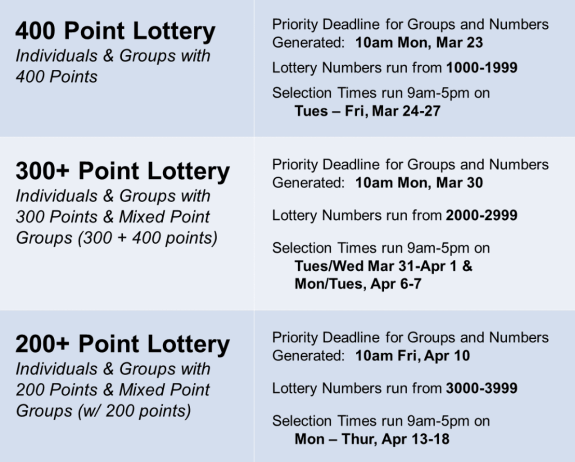
Here is a screenshot from the Barnard room selection website. As you can see, the lottery divisions are a bit different. The separations are kind of nice, though. You can use that time to plot on what spaces you want, because you’ll know what’s still available after the group before you has gone.
How your lottery number is assigned:
The four separate lotteries (123, 4, 5, and 6-person lotteries) are now combined into just one (one really long, drawn out lottery). This new lottery will work similarly to the old 123 lottery. Groups (and individuals) will be randomly assigned a lottery number against all the other groups and individuals that have the same point value. Point values will still be assigned based on class year, as they were previously. Rising seniors will get 400 points, rising juniors will get 300, and rising sophomores will get 200. Groups will have a total point value of the average of the members’ point values. Lottery numbers will be generated after the “priority deadline.”
Picking in as a group:
Everyone in your housing group will receive the same number. However, you do not all need to pick in to the same suite. You don’t even have to pick in near each other. Your group leader can choose a suite smaller than your group, and then place the extra group members elsewhere. For example, your group can have four members pick in to a four-person suite, and the other two members pick in to corridor singles. There is a must fill rule, meaning you must fill the entire suite if your group picks in to it. You can’t pick in to rooms in a six-person suite if your group has four people in it.
Also, you can regroup after you receive your lottery number. However, the new group receives the latest selection time held by its members. Barnard calls this the last/latest time rule. You can also drop a member from your group, usually with no time penalty (if the group was formed by the priority deadline). The group and the individual will keep the same selection time, but will pick separately. If the group that dropped a member was formed after the priority deadline, they pick at the last/latest time of any of the remaining members, and the individual gets their originally generated selection time.
Mixed point groups:
In my opinion, this is kind of overcomplicated, but if you think about it, it’s probably the only way these groups can work with the whole regrouping situation. Basically, if you form a mixed point group by the priority deadline, you get two times: a priority selection time, which is better, and a backup selection time, which is worse. If the group drops a member after lottery numbers are assigned, the group uses the backup selection time, and the individual who dropped does as well (if the individual joins another group, the backup selection time factors into the last/latest rule for the new group). If a group adds a member, they use the last/latest time between the added member and the group’s backup selection time.
All in all, this lottery is definitely a lot worse for underclassmen. Instead of picking in after all of the older groups of six, or all of the older groups of one, two, or three, you have to pick after all of the older groups of all numbers. It’s tough. Personally, I’m a rising senior, so all I have to say is good luck, and it sucks to be you.
Old lottery spreadsheet via Author

 Loading ...