

 0 Comments
Today I learned how to spell Schermerhorn…
The Stacks
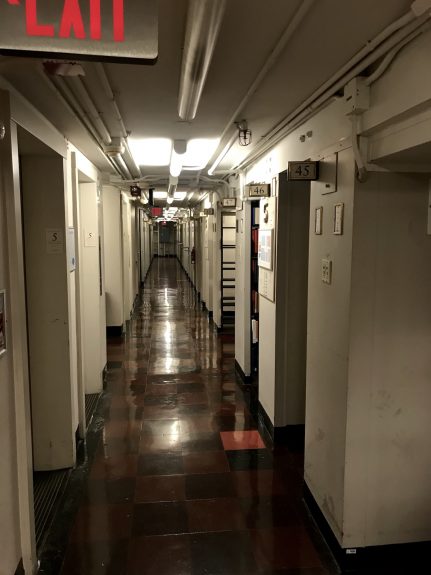
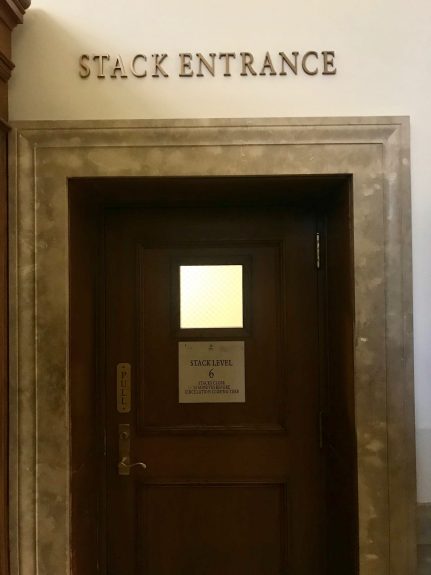
Starting with an obvious one. Butler stacks are infamous for the lack of windows, light, and sound. Walking past rows of dark bookshelves to isolate myself from the living world is very Halloween coded. And reading the messages carved above the desks make me think about the ghosts of Butler past…
Schermerhorn Elevator
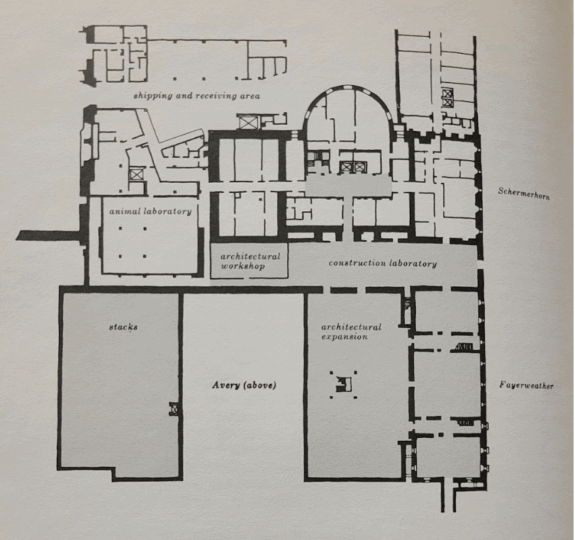
Nothing makes me feel as though my life is about to end before my very eyes quite like this elevator. It is extremely poorly maintained, held together by duct tape and hopes and dreams. Every time it bounces before opening or creaks, I pray for my life.
Schermerhorn Extension Bathrooms

Bonus in this building: the pink bathroom in Schermerhorn Extension. The women’s room has this room with a bench in it before you get to the actual bathroom, and the whole thing looks straight out of the 1950s. If I wasn’t concerned about the fact that the entire building hasn’t been renovated in decades, I would find it kind of a vibe. I highly recommend Olin’s coverage (and the part 2!) on the mysteries of Schermerhorn for more information!
Barnard Quad Basement

In my freshman year, I occasionally braved the trip down to the basement for the vending machines, but it is seriously scary down there. The hallways seem to turn into one another infinitely, and the fluorescent lighting and abandoned furniture really don’t add to the ambiance.
Dodge Locker Rooms
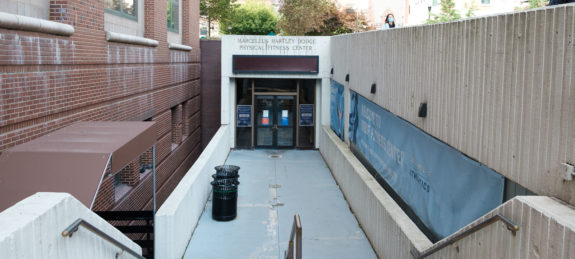
All of Dodge feels like a liminal space, but the locker rooms can be especially scary. Keep your head down as you walk past the three miles of lockers… some things cannot be unseen.
Lehman Library
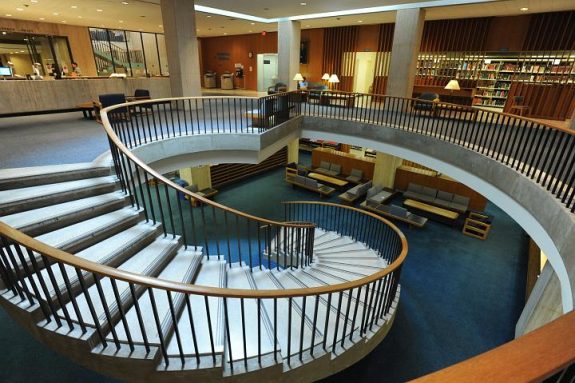
Finally, Lehman Library. No matter where you turn in this creepy ass space, you can keep going in circles. The design of the space changes constantly, from wood panelling to white tiles to dirty carpet. You can find desks tucked behind dusty shelves. Everything looks simultaneously retro and lived in. I can never find the same space twice, and none of the desks seem to have outlets. Would not recommend.
Images via Bwog Archives and Columbia University Libraries
 Loading ...